
During the 1990s, Mexico faced severe economic challenges, corruption scandals, and social uprisings. In 1994, the Peso collapsed, leading to economic chaos, and a guerrilla uprising began in Chiapas. Amid these crises, President Ernesto Zedillo Ponce de Leon took office (1994-2000), and his term was defined by how he addressed these significant issues.
Zedillo’s presidency marked the beginning of the end for the Partido Revolucionario Institucional (PRI), which had maintained control over the government for over sixty years through rigged elections, corruption, and force. Recognizing that this system was unsustainable, Zedillo advocated for competitive political campaigns and a diverse Congress with representatives from various political parties. This vision was realized during the 1997 state elections, where Mexicans voted for different political parties instead of exclusively for the PRI. Additionally, Zedillo broke tradition by not selecting his successor, leading to the loss of the PRI’s first presidential campaign in history during the 2000 election. His term initiated political reforms that created a more diverse and honest political establishment in Mexico.
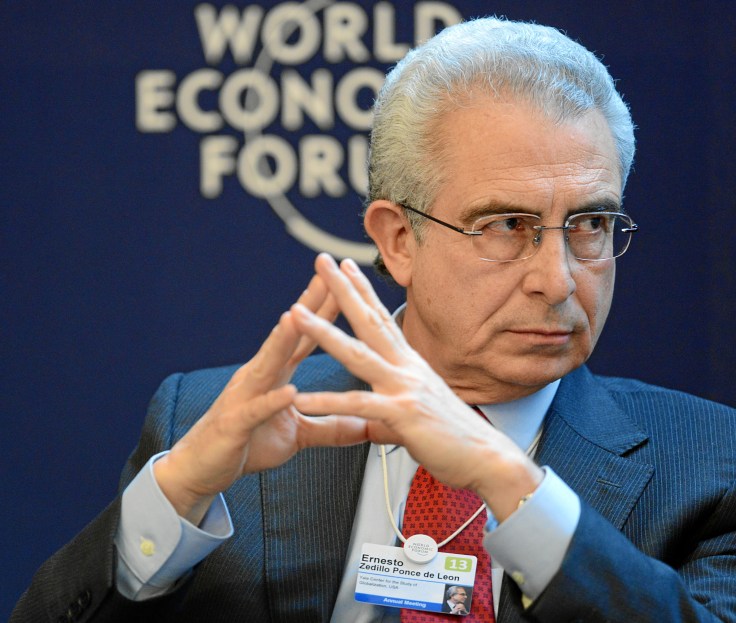
The peso collapse just months after Zedillo took office marked his term with economic instability. Zedillo continued the strategy of privatizing state-owned corporations and promoting free-market policies. In January 1994, the North American Free Trade Agreement (NAFTA) came into force, attracting foreign investments. While Zedillo and his advisers believed NAFTA was the solution to Mexico’s economic problems, many farm workers disagreed. In Oaxaca, a guerrilla group of farmers emerged to oppose NAFTA, fearing unemployment and competition from foreign companies. Their fears were validated as, by 2008, thousands of farmers were unemployed, leading to massive migration to the United States.
President Zedillo also faced challenges with scandals involving politicians connected to criminal organizations. During his term, drug cartels infiltrated organizations such as the Mexican army. A notable scandal in 1997 involved military generals accused of accepting money from drug lords. General Gutierrez Rebollo was the first general to be imprisoned due to these accusations, highlighting the deep-rooted corruption within the military.
For more information: Narcomex by Ricardo Ravelo and Mexico Under Zedillo, edited by Susan Kaufman Purcell and Luis Rubio.
Zedillo’s political reforms allowed other political parties to integrate into the national establishment, and the economic crisis pushed citizens towards new political ideologies. However, criminal organizations continued to infiltrate national entities. Zedillo’s presidency marked the beginning of a new political and social structure, but it also signaled the end of the PRI’s dominance.

Donation
Hello! I love to write and investigate different historical and contemporary concepts. Your donation will contribute to my professional development. Thank you!
$1.00
 Latin American Chronicles
Leave a comment