Immigration is a complex political topic in the United States. While much of the focus has been on Mexico as a source of immigrants, the issue also stems from the nation’s southern border, where Central Americans face a dangerous journey through some of Mexico’s most violent states. In 2013, 72 Central American migrants were massacred by a drug trafficking group in Tamaulipas. According to a declassified document from the U.S. embassy in Mexico, migrants have been experiencing an environment of violence and vulnerability since 2007.
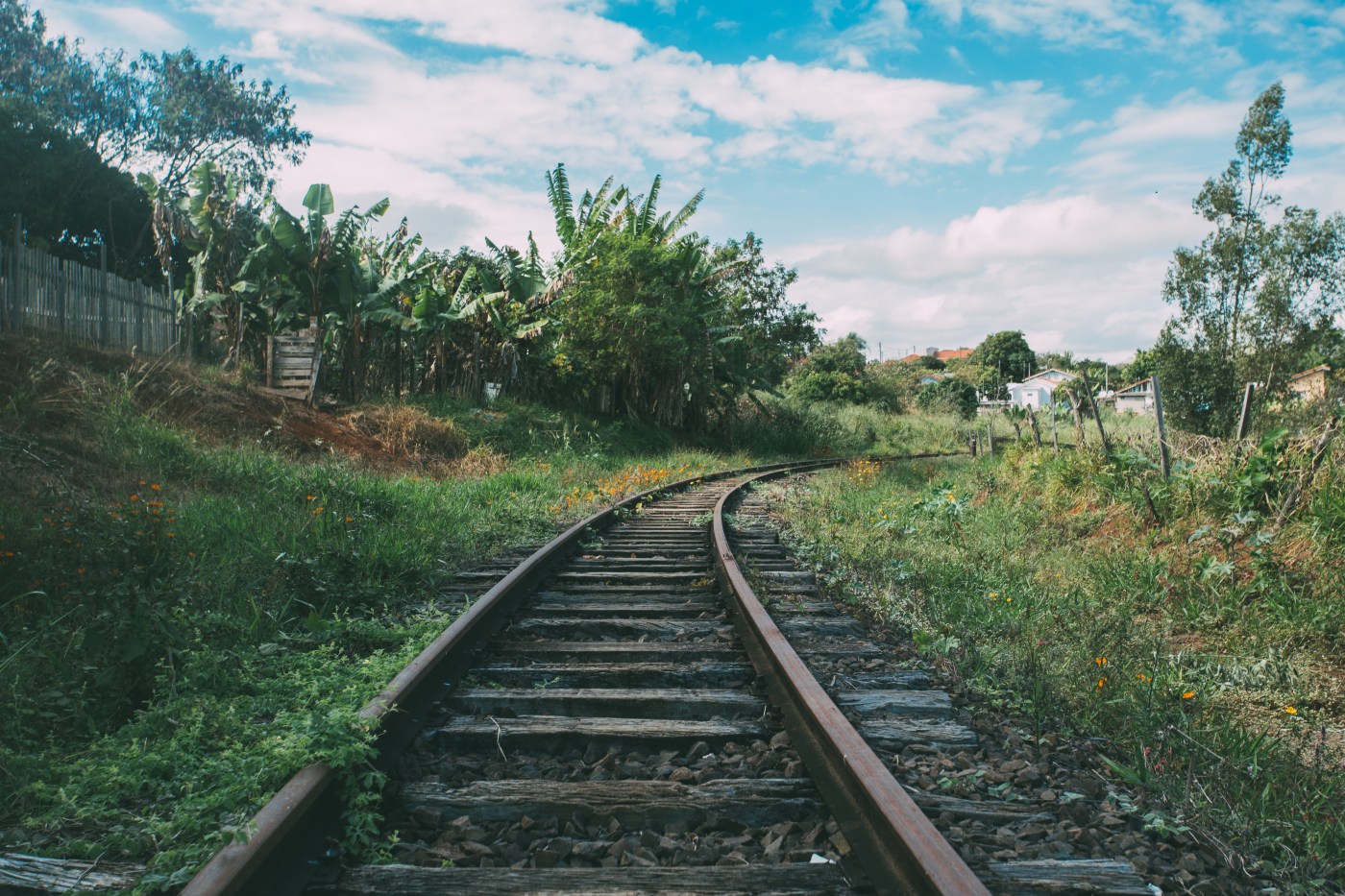
The closure of the Chiapas-Mayab train route significantly increased the vulnerability of migrants. This route was typically used by migrants to reach the northern border and, ultimately, the United States. The Genesee and Wyoming Corporation, which owned the railroad, closed the segment due to high-cost damages caused by Hurricane Stan in 2005. This decision forced migrants to find alternative routes. Consequently, some returned to their countries of origin, while others were stranded in Mexico. The Instituto Nacional de Migración (INM) reported that between 2,500 and 3,000 migrants were living in improvised camps in the community of Tepisoque, Chiapas. Contrary to this statement, local media reported that more than 7,000 migrants were living in the region. The closure of the Chiapas-Mayab route disrupted a significant migration path, making migrants more vulnerable to abuse.
The report highlighted that migrants in Mexico were experiencing abuses by authorities. According to local media, the national government deployed military troops to clear the camps in Chiapas, with allegations that troops beat and robbed migrants. These accusations were denied in the official report by representatives of the INM. Moreover, the National Human Rights Commission in Mexico also recorded these cases and stated that “the situation in the region had stabilized.” The report clearly demonstrated the intricate conditions that migrants were experiencing and the lack of protection from Mexican authorities.
“Shutdown Slows but Doesn’t Stop Central Americans Headed North.” U.S. Embassy in Mexico, cable, sensitive, 3 pp. The information provided in this writing piece comes from this declassified document, which it is located in the National Security Archive.
The declassification of this report underscores the complexity of immigration in Mexico. The decision to close the Chiapas-Mayab train route did not stop migrants from traveling to the United States, emphasizing the precarious situations they face in their places of origin. Although the report mentioned that some people returned to their homes, most continued to risk their lives in Mexico. The Mexican government could have used the pretext of the 2006 “War on Drugs” to send military units to clear the camps of migrants in Chiapas, but this issue was not mentioned in the report.
 Latin American Chronicles
Leave a comment