
One of the states with the highest levels of violence in Mexico is Guerrero. Located in the southern region of the nation, Guerrero presents precarious conditions for the upcoming democratic elections. This state’s condition stems from the ongoing conflict between drug cartels, self-defense groups, and local authorities. Despite the grim outlook, there are signs that the dynamics in Guerrero are shifting due to external influences.
The situation for journalists in Guerrero is particularly dire, with authorities demonstrating an inability to protect them. Ezequiel Flores Contreras of the Mexican newspaper Proceso reported on a public demonstration in Chilpancingo, where journalists demanded justice for their slain colleagues. Local reporter Hector Astudillo Flores highlighted the state government’s failure to ensure their safety, pushing journalists to seek alternative security measures. During the demonstration, Astudillo Flores revealed that they had negotiated the release of two colleagues with a local self-defense group from Petaquillas, known as Autodefensas. This group had justified the kidnapping by claiming the journalists lacked proper identification to investigate in their community. Disturbingly, state authorities stood by as the journalists were taken. Astudillo Flores suggested that the state government’s connection between this self-defense group and a local drug trafficking organization should have compelled local authorities to intervene, yet they remained indifferent.
Guerrero’s local authorities are operating in a highly complex environment. They are caught in the crossfire of at least six national criminal organizations and thirteen local gangs, including the notorious Sinaloa Cartel and the Cartel Jalisco New Generation. The emergence of self-defense groups in various communities, often labeled as criminal by officials, has only compounded the violence. This volatile atmosphere has led to the resignation of over 190 politicians, leaving communities like Chilapa without a mayor.
Despite the seemingly irreversible situation, change is on the horizon. Recent news has shocked the Mexican public: the campesinos who cultivate poppy plants (Amapola) in Guerrero have found themselves unable to sell their product to the Sinaloa Cartel. Initially, they blamed the rising violence for the cartel’s inability to reach their communities. However, the cartel explained that a new synthetic drug, fentanyl, which is cheaper to produce, had entered the U.S. market. While this development could be seen as a positive shift, it presents a tough dilemma for the locals. They understand the illegality of their actions but feel they have no other options. One local producer shared, “Many believe we have a lot of money, but our reality is different; we live in poverty.” This situation could drive people to other criminal activities, such as kidnappings and extortion. Presidential candidate Andres Manuel Lopez Obrador (AMLO) addressed this issue during a presentation at the University of Tecnologico de Monterrey, criticizing Mexico’s current anti-narcotic strategy for failing to acknowledge the realities of drug production. He emphasized that campesinos, lacking educational and professional opportunities, resort to producing heroin to survive.
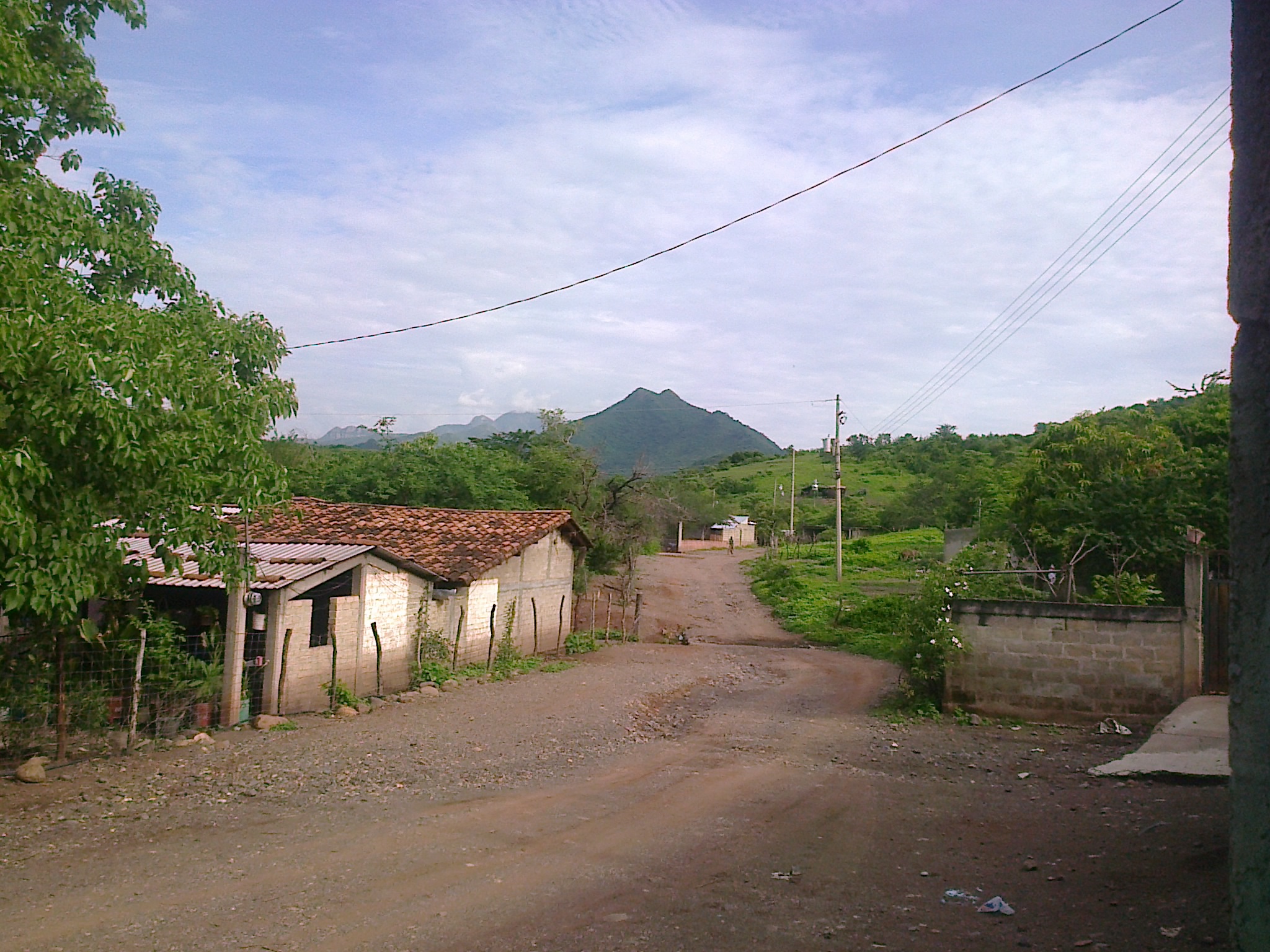
Guerrero stands as a critical case for the Mexican government. Disbanding the numerous criminal organizations is essential for the prosperity of local democratic institutions. Additionally, any anti-narcotic strategy must recognize that destroying poppy fields is not a long-term solution. The future of Guerrero hinges on comprehensive strategies that address both the symptoms and root causes of its complex challenges.
 Latin American Chronicles
Leave a comment